
Local events in the USA this week: a practical buyer’s guide for readers
A clear, practical comparison of sources for local events in the USA this week, with tips on choosing coverage, avoiding traps, and practical steps for readers.

When readers look for local events in the USA this week, they want reliable, timely information that helps them decide what to attend or follow. This guide compares sources and explains what to expect from coverage, so readers can pick the best option without wasted time. It stays grounded in practical steps and realistic expectations, not hype.
You’ll learn how different outlets structure event coverage, what details matter (times, venues, accessibility), and how to verify listings before you act. The aim is to give readers a clear framework for evaluating local event information. By the end, you’ll have a concrete checklist to apply to any listing you encounter.
Across the landscape of local event coverage, the real value lies in clarity, consistency, and trust. This piece focuses on practical decisions you can make this week, whether you’re planning a night out, attending a community meeting, or tracking a citywide lineup of activities.
- This guide helps readers compare local event coverage and choose trustworthy listings. It outlines how to verify details, evaluate sources, and avoid common pitfalls. You’ll gain practical steps for planning your week around credible local events.
- Use multiple calendars for breadth, then confirm details with official pages. Look for clear times, addresses, and contact options. Set up alerts to stay updated without excessive searching.
- For readers, the key is reliability and efficiency: filter aggressively, verify quickly, and attribute sources when sharing. The result is better planning and fewer surprises during a busy week.
Basics of finding local event coverage
Define your goal clearly
Start by identifying what you need from event coverage—timing, location, or type of event. This helps you filter out irrelevant listings and focus on what matters to you. For example, if you want family-friendly activities, skim sections that label kid-friendly events first. local events in the USA this week are common web listings that you should cross-check with multiple sources for accuracy.
- Relying on a single source for all listings
- Ignoring update times when plans change
- Skipping venue details such as accessibility or capacity
If you’re comparing sites, note how they organize listings: a calendar view, a list, or a map. A simple layout speeds up decision making and reduces the chance of missing key details. Always check the date and time to avoid outdated information.
- Use date filters to see events this week
- Check venue accessibility notes
- Look for upfront ticket or entry details
- Verify neighborhood coverage
- Prefer sources with a clear update timestamp
Assessing credibility of listings
Credible listings show consistent formatting, clear times, and verified venues. Compare multiple sources for the same event to catch errors. If details don’t line up, treat the listing as provisional and seek corroboration.
Avoid sources that copy listings without attribution or lack contact information. A trustworthy page often provides a way to reach organizers or confirm details directly.
- Cross-check with the venue's own calendar
- Prefer outlets with staff contact or event pages
- Watch for last-minute changes
- Be cautious with social media-only posts
- Favor sources with clear editorial standards
How to compare event listings

Look for consistent details
Good listings provide exact times, addresses, and ticketing steps. Compare these elements across several sources to ensure accuracy. If one source omits a detail, note it as a potential gap rather than a flaw in the event itself. defensenews.us offers detailed coverage, but verify event times and locations against the host venue.
The strongest listings also include accessibility notes, parking options, and contact channels for updates. This helps you plan and avoids last-minute surprises.
- Check time zone consistency
- Note venue accessibility details
- Confirm ticketing method
- Look for contact information
- Verify address accuracy
Evaluating coverage scope
Some outlets highlight major events while others cover neighborhood happenings. Decide which scope serves your needs—city-wide events or your specific neighborhood. This helps prioritize what matters during a busy week.
Consider whether a source combines news with listings and how that affects update frequency. A dedicated calendar may be faster, but a broader news site provides context that helps you decide what to attend.
- Prioritize neighborhood listings for quick planning
- Assess whether coverage includes follow-up updates
- Look for event reminders or alerts
- Evaluate whether coverage includes safety or crowd notes
- Prefer sources with weekly roundups
Where to start for local events this week
Best starter sources
Begin with a local events calendar that updates daily and shows event details clearly. Prioritize sources that provide venue, time, and a direct link to tickets or organizer contact. This reduces back-and-forth and helps you plan quickly. list your company in the USA listing helps organizations reach a broader audience, but ensure the platform aligns with your needs and standards.
Next, cross-check with a neighborhood-focused site to catch smaller happenings that bigger outlets might miss. The two together give broader visibility and better odds of finding something that fits your schedule.
Finally, set up a simple alert for your area to keep tabs on last-minute additions and changes. A short alert helps you stay informed without scrolling endlessly.
- Choose 2-3 trusted calendars
- Add neighborhood sites for breadth
- Use alerts for updates
- Note venue accessibility and parking
- Keep a running list of events you might attend
| Source quality | Timeliness | Detail depth |
|---|---|---|
| High | Frequent | Comprehensive listings with notes |
| Medium | Daily updates | Basic event details with links |
| Low | Infrequent updates | Sparse information with few reliable links |
Using the week’s listings ethically
Respecting accuracy means not relying on rumor or unverified social posts. Prefer official postings, venue announcements, and organizers’ sites. This reduces misinterpretation and helps readers trust what they see.
Ethics also covers privacy and consent when sharing event details about others. Avoid amplifying unverified claims or sensitive information.
Always attribute listings properly when you quote details or link to sources, and avoid sensational framing that could mislead readers.
- Stick to verified sources
- Respect privacy and consent
- Attribute listings clearly
- Avoid sensational edits
- Provide context where needed
Be wary of events that require payment upfront with no refund policy or organizer contact.
Pitfalls to avoid with event listings

Red flags to watch for
Ambiguity in time, location, or ticketing is a red flag. If one detail is missing, seek corroboration before sharing. Ambiguity often signals outdated or unreliable listings. post a job ad in the USA requires careful targeting and clear job specs to attract qualified local applicants.
Be wary of events that require payment upfront with no refund policy or organizer contact. These details matter for readers planning around a schedule.
Another warning: listings that rely solely on social posts without official pages can be unstable sources. Prefer established listings with a clear source trail.
- Look for missing times or venues
- Check refund and ticket terms
- Avoid sources with no official contact
- Favor listings with venue links
- Watch for last-minute changes
How to verify on the fly
When information shifts, check the venue calendar and contact organizers directly if needed. Quick confirmations prevent misinformed decisions and save reader time.
Use map tools to confirm distance and travel time, especially for events that may fill up quickly. A quick glance at a map can prevent planning errors.
Keep a small set of trusted sources you refresh before sharing any event,”
- Check venue calendars
- Call or email organizers when possible
- Use maps to estimate travel
- Avoid last-minute reposting without verification
- Record evidence of changes and timestamp it
Advanced research tools for events
Comprehensive search techniques
Start with a national events feed and narrow by location, type, and dates to filter noise. Use advanced search operators to include or exclude keywords, then save filters for repeated use. Compare results from multiple sources to identify gaps and overlaps, ensuring coverage is current. funeral notices in the USA continue to appear in local obituaries and community calendars.
- Build a master filter list and test it weekly.
- Compare three primary sources for each major city.
- Document any discrepancies and how you resolved them.
Refine searches with date windows like this week or next weekend and verify against local venue calendars. Cross-check event IDs or listing IDs to avoid duplications. Maintain a simple log of sources and timestamps to trace changes.
Apply geo-targeting to pull relevant listings and set alerts for breaking event news in the area. Build a small dashboard to monitor changes in top venues and recurring community events. This habit helps writers catch last-minute shifts in local schedules.
- Use multiple data sources to avoid blind spots
- Track changes to avoid duplications
- Verify time zones and venue details
- Keep a running log of sources and edits
- Set alerts for breaking additions
Local events workflow for editors
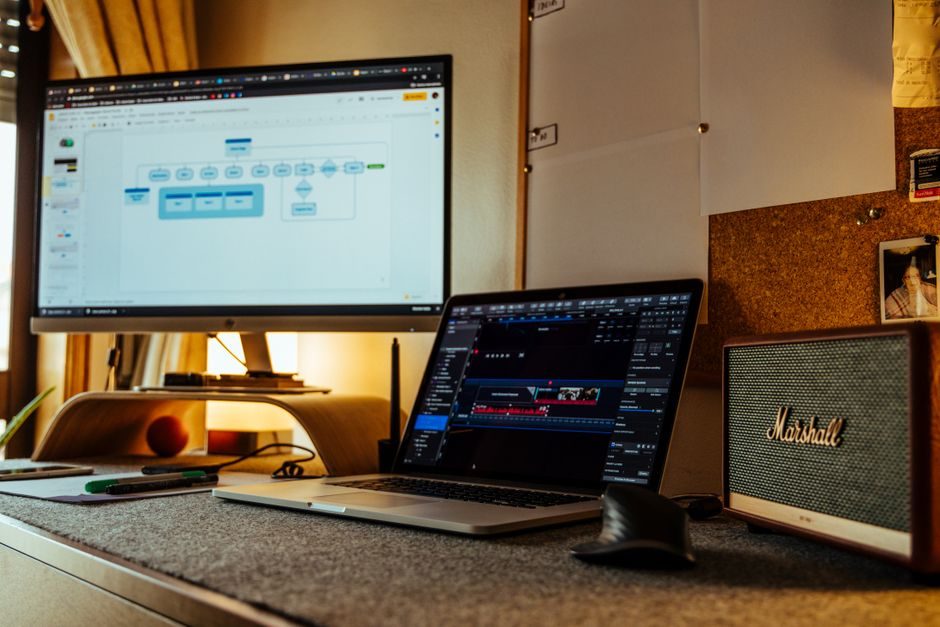
Editorial process steps
Outline a standard workflow from intake to publication, with clear ownership for each stage. Ensure deadlines align with local event schedules to avoid last-minute edits. Use a brief style guide to keep listings consistent and readable.
Assign tasks to editors based on geography and beat strength, and schedule quick checks before publication. Maintain a revision log for every listing to track changes over the week. Encourage editors to flag questionable listings for verification.
End with a quick publish-ready checklist that reviewers can use to confirm accuracy, timeliness, and readability. Include a brief note on handling corrections after publication to maintain credibility.
- Assign beats by geography
- Keep a revision log
- Publish with a ready-to-check checklist
- Flag questionable listings for verification
- Record corrections when needed
Readers’ quick-reference guide
How readers use listings
Readers rely on quick, accurate listings that answer what, where, and when. Use clear event titles, precise addresses, and correct times to help readers decide quickly. Provide filters or links for those who want deeper details.
Offer a one-sentence takeaway per listing and a short sentence on accessibility or entry requirements when relevant. Prioritize local compliance notices or venue-specific rules that affect attendance. This helps readers plan without extra searching.
Close with a reminder of how to report errors and how to find ongoing updates when schedules shift, so readers stay informed.
- Clear titles and times
- Direct location details
- Concise accessibility notes
- Easy feedback channel
Ethics and accuracy in listings

Accountability standards
Adopt a published set of sourcing standards and stick to them. Require at least two independent confirmations for major events or changing details. Notify editors when a source cannot be independently verified.
Maintain a record of corrections and retractions with explanations so readers see the rationale. Publish a brief note when a listing is updated after initial publication.
Ensure that listings do not mislead readers with outdated or speculative information, and avoid implying endorsement by the site or its staff.
- Two-source rule for major events
- Public corrections log
- Transparent update notes
- No implied endorsements
Frequently asked questions
How do I verify event listings quickly?Cross-check key details with at least one independent source such as a local venue calendar or city site. If discrepancies exist, delay posting until clarified and note the reason for the delay in the editor log.
What should a listing header include?A clear title, venue name, full address, start time with time zone, and any accessibility notes or entry requirements. Keep it concise and verifiable.
How are corrections handled after publication?Corrections should be logged with a timestamp, a brief explanation, and the updated details. Readers should see the corrected version with a note indicating the change.
Who is responsible for accuracy?Editors oversee listings, with validation from multiple sources when possible. The publishing team should maintain a shared standard for verification and updates.
Conclusion and next steps
The sections above offer a practical framework for presenting local US events with accuracy and clarity. The emphasis is on reproducible workflows, transparent sourcing, and reader-focused presentation that reduces confusion.
The next step is to implement the quick-reference guides and ethics standards site-wide, then monitor reader feedback and adjust as needed to keep coverage relevant and trustworthy.
Add Rochdale Now as a preferred source on Google


