
How to Find and Join a Local Sports League in Rochdale
Find a suitable sports league in Rochdale: compare ways to locate teams, weigh up the commitment and ask the right questions before signing up.

To join a local sports league in Rochdale, choose a sport and level that fit your interests, schedule and experience, then contact clubs or organisers to ask about current teams and trial sessions. Check where and when they play, what participation involves and what you need to bring before committing. Local council, community and sport-specific listings can help you begin.
There is no need to assume a particular club or facility has space: availability, formats and eligibility can change. Contact organisers directly, explain what you are looking for and ask whether beginners or returning players are welcome.
This guide sets out how to compare your options, find teams across the borough and ask practical questions before signing up. It also covers ways to check whether the commitment will work for your routine.
- Choose a sport and level that fit your schedule, experience and goals.
- Use local directories and community contacts to find organisers, then confirm current details directly.
- Ask about training, fixtures, costs, kit, safety and registration before you commit.
- Try a session where possible and make sure the team’s expectations suit you.
What joining a local league involves
From first contact to fixtures
Joining usually starts with contacting a club or league organiser, rather than turning up expecting to play. Ask whether the team is accepting new players, what standard it plays at and whether you can attend a trial or training session first. Organisers can explain how players are selected and how matches are arranged.
A league normally means a series of fixtures against other teams, while a club may also offer regular training or informal play. The format depends on the sport and organiser, so check whether participation means weekly matches, training, or both. This helps you compare the actual commitment with what you had in mind.
Some teams welcome people with little experience, while others expect players to know the rules and be ready for competitive fixtures. Say honestly whether you are new to the sport or returning after a break. That gives an organiser a better chance of suggesting a suitable session or explaining what skills the team expects.
Training, matches and roles
Ask what happens beyond match day, because training and team duties can shape the weekly commitment. Some leagues expect regular attendance at practice, while others focus more on fixtures. Find out whether players are asked to help with equipment, transport arrangements or other practical tasks, rather than discovering those expectations later.
The role you want may affect which team is right for you. For example, a person seeking social play may prefer an open session, while someone aiming to compete may want a team with structured training. Ask whether the organiser can describe the difference between its teams or sessions before you choose.
Joining a league is also a chance to meet people, but the team’s atmosphere matters as much as its playing standard. Ask how new members are introduced and whether you can attend a session before registering. A short conversation with the organiser can reveal whether the environment feels welcoming and the expectations are clear.
- Ask how often training takes place.
- Check how fixtures are shared with players.
- Find out whether teams have extra duties.
- Ask how new members can meet the group.
Start with the sport and commitment that suit you
Match the sport to your routine
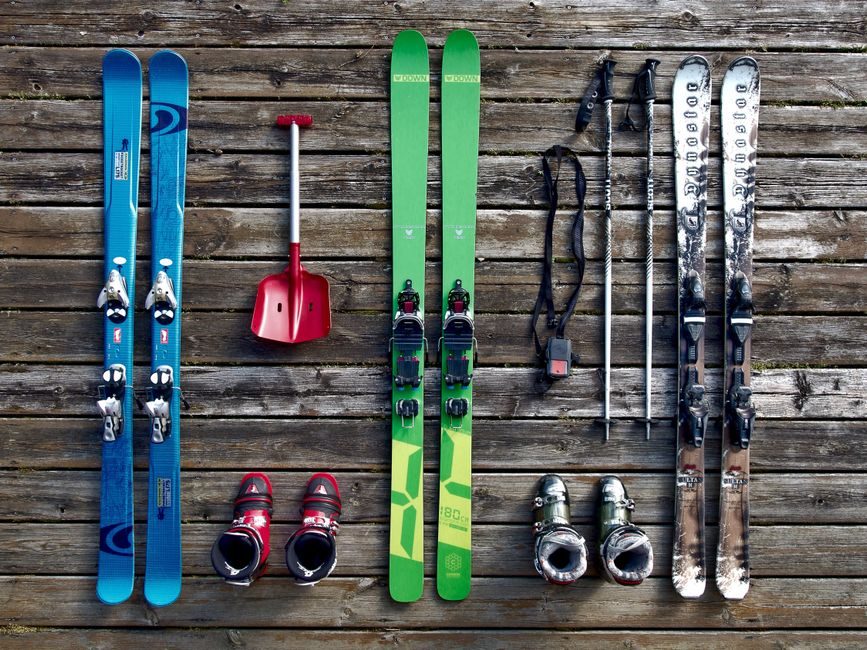
Begin with the time and energy you can reliably give, then look for a sport and team format that fit. Consider work, study, caring responsibilities and travel before agreeing to regular fixtures. A realistic commitment is more likely to last than an ambitious plan that becomes difficult as soon as the season gets busy.
Think about whether you prefer a team sport, an individual competition or a social session that may lead into league play. Each can offer a different balance of practice, match time and contact with other players. If you are unsure, ask local organisers whether they know of beginner-friendly opportunities or introductory sessions.
Season length and playing schedules vary, so do not rely on assumptions based on another club or sport. Ask when the league usually plays and how far ahead fixtures are confirmed. If your availability changes from week to week, explain that before joining and check how the team handles absences.
Choose a comfortable level
Be clear about what you want from playing: learning the basics, returning to a familiar sport, meeting people or competing regularly. Those aims can point to different teams, even within the same sport. Tell the organiser your experience and goals so they can explain whether the level and format are likely to suit you.
A trial session can help you judge the pace, coaching and social atmosphere before making a decision. Ask whether you need to bring equipment or wear particular clothing, and whether the session is open to newcomers. If a trial is not available, request a clear description of the team’s standard and expectations.
If you have an injury, access requirement or concern about taking part, raise it privately with the organiser before attending. Ask what adjustments may be possible and whether the venue or activity can accommodate your needs. Do not assume every team offers the same support; a direct conversation helps you make an informed choice.
- Write down the days you can regularly attend.
- Describe your experience honestly to organisers.
- Ask about a trial or introductory session.
- Raise access or injury concerns in advance.
Ways to find a team near you
Search local listings and networks
Start with sport-specific governing bodies, council sport information and community directories, then check any club listings they point you to. These sources can help you identify organisers in the Rochdale borough without assuming a team is currently recruiting. Confirm all details directly, since online listings may not reflect recent changes to sessions or membership.
- Relying on an old directory listing; confirm current sessions with the organiser.
- Assuming a team is recruiting; ask about places before travelling.
- Choosing by name alone; check location, standard and schedule.
Ask people in local community groups, schools or workplaces whether they know of clubs that accept new players. A recommendation can help you find an organiser, but it does not replace checking the team’s current schedule and playing level. If a group shares a contact, use it to ask practical questions rather than treating the recommendation as a guarantee.
Search by sport as well as by the area where you can realistically travel, including Rochdale and other parts of the borough. Compare the information you find across more than one source, and look for a recent post or an active contact method. If details are unclear, ask the organiser whether the team is still running.
| Method | Useful for | Check before acting |
|---|---|---|
| Council or sport listings | Finding clubs by sport | Confirm current activity |
| Governing body directory | Locating affiliated groups | Ask about places |
| Community recommendation | Finding local contacts | Verify schedule and level |
| Direct club search | Checking team updates | Confirm venue and session |
Contact organisers directly
A short, specific message makes it easier for an organiser to give you a useful answer. Mention the sport you want to play, your experience, the days you are usually free and the part of the borough you can reach. Ask whether there is a suitable team, session or trial for someone with your background.
If you do not hear back, try another contact method listed by the club or send one polite follow-up after allowing time for a reply. Volunteer-run groups may not respond immediately, especially around busy periods. Keep a note of whom you contacted and what they said, so you can compare options without relying on memory.
Check that the details are current before setting off, particularly the session time, venue and any instructions for visitors. Ask who to look for when you arrive and whether you should bring anything. This simple confirmation can prevent a wasted journey and helps the organiser know to expect a new person.
- Include your experience and preferred sport.
- Give the days and areas that work for you.
- Ask about a trial or suitable team.
- Confirm the session details before travelling.
Check whether any cost covers training, league entry or other items, and ask whether you need to buy equipment before your first session.
Questions to ask before signing up

Check costs and club arrangements
Ask what joining involves before agreeing to become a member, including any fees, kit requirements and match-day arrangements. These details vary between sports and organisers, so request a clear explanation rather than relying on another player’s experience. If you are weighing up a team’s online presence, Seo Services can help an organiser understand possible digital marketing support.
Check whether any cost covers training, league entry or other items, and ask whether you need to buy equipment before your first session. Some organisers may have guidance on suitable kit or ways to borrow it, but do not assume this is available. Knowing what is required lets you decide without committing to unexpected purchases.
Ask how registration works and whether any forms, permissions or eligibility checks apply to your sport. If you are registering a child, confirm who handles consent and what information the organiser needs from a parent or guardian. Read any terms before submitting details, and ask for clarification if responsibilities or cancellation arrangements are not clear.
Understand safety and expectations
Ask who supervises sessions and what the organiser does if a player is injured or needs help. The answer should explain how to raise a concern and who is responsible during training or matches. If you have a relevant medical or access need, share only what is necessary and ask how it can be accommodated.
Find out the team’s expectations for attendance, behaviour and communication when you cannot play. Organisers may use different ways to share fixture updates, so check how you will receive changes and how much notice is typical. Clear arrangements help you plan travel and avoid letting teammates down when your availability shifts.
Before registering, make sure you know how to contact the organiser after your first session and what happens if the team is not right for you. You can ask whether there is a trial period or another suitable group, without assuming either option is offered. A good fit includes clear communication, a manageable commitment and a comfortable playing environment.
- Ask who is responsible for safety during sessions.
- Check how fixture changes and absences are handled.
- Clarify how to raise concerns or leave the team.
How clubs can help new players find them
Make club information easy to find
A club is easier to approach when its basic details are clear in one place. A simple page or social profile can explain which sports are played, who can join, how to make contact and whether beginners are welcome. Organisers comparing ways to reach people in a particular area may find Leicester Seo Services useful as an example of location-focused support, although it serves Leicester and Leicestershire.
- State clearly whether newcomers are welcome.
- Keep contact and session details current.
- Use an official channel for first enquiries.
Keep practical information current, especially when training arrangements or membership contacts change. A prospective player should be able to tell whether a team is open to new members without searching through old posts or guessing which details still apply. If several groups share a club name, state clearly which age group, ability level or format each announcement concerns.
Useful contact details need not expose a volunteer’s personal information. A monitored club email address or an official social account can give newcomers a route to ask questions while keeping private numbers out of public posts. Clubs should also say when they usually respond, so people know whether to wait or try another official contact method.
Show what a first visit involves
A short description of a first visit can take much of the uncertainty out of joining. Explain where a newcomer should report, what to wear, whether equipment is available and who will greet them. If the session is suitable for beginners, say so directly; otherwise, explain what experience or preparation is expected before attending.
Clubs can also describe the atmosphere and format without promising that every player will have the same experience. For example, explain whether a session begins with drills, a friendly game or a fitness warm-up, and whether participants can observe before taking part. Clear expectations help people decide whether the activity fits their confidence and ability.
Invite questions that matter to someone arriving alone, such as whether changing facilities are available or whether a parent should stay during a junior session. Answering common concerns publicly can help other residents too, but personal circumstances are better handled privately. A welcoming first contact should give a useful answer, not pressure someone to commit immediately.
Check the practical details before your first session
Confirm travel and session arrangements
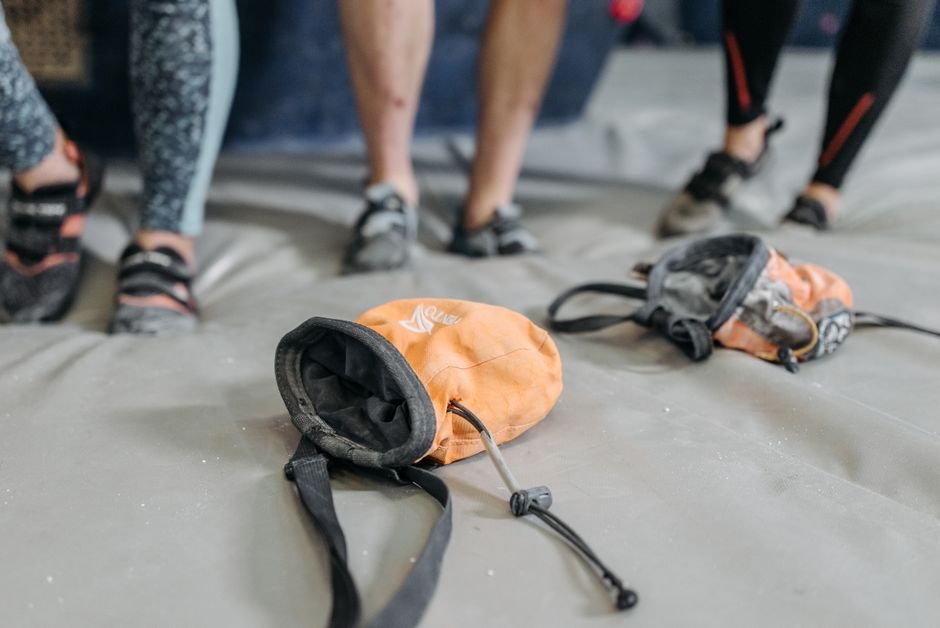
Check the venue, arrival time and transport options before setting out, rather than relying on a general description of the area. Rochdale borough includes different districts, and a club may use a venue away from its usual meeting point. Ask which entrance to use, where to meet the group and what to do if you arrive after the warm-up begins.
- Confirm the venue and entrance with the organiser.
- Ask what time newcomers should arrive.
- Check required clothing and equipment.
- Find out how cancellations are announced.
A club that relies on local search to connect with prospective players may use Local Seo Services to explore how business profiles and location information can be managed. For a player, the practical lesson is to confirm session details directly with the organiser instead of assuming an online listing is current. This is especially helpful when a team uses different venues for training and matches.
Check whether the session is still running if weather, a venue change or a public holiday could affect arrangements. Ask how cancellations are communicated and whether the club expects newcomers to register in advance. If you depend on public transport or a lift, knowing the finish time and any change-notification method can prevent an avoidable trip.
Understand costs and equipment
Ask what you need to bring and whether a club can lend equipment for an introductory session. Some sports require specialist footwear or protective items, while others may let newcomers try basic activities with ordinary kit. Do not buy equipment until the organiser confirms what is suitable, since the wrong type can be uncomfortable or unsafe.
Clarify any charges before you take part, including whether a trial session, membership, match or equipment hire carries a cost. Ask when payment is due and what it covers, rather than relying on assumptions based on another club or sport. If a cost is unclear, request an explanation in writing before agreeing to join.
Check whether there are separate arrangements for insurance, registration or competition eligibility. Requirements can vary between clubs and governing bodies, so ask the organiser what applies to your chosen activity. If you have an injury, disability or other access need, raise it before the session so the club can explain what support or adjustments may be possible.
Common joining pitfalls and how to avoid them
Avoid committing on assumptions
Do not treat a friendly first conversation as confirmation that every detail is settled. A team may have limited places, a waiting list or a selection process, even when its social page welcomes enquiries. Ask whether you can attend a trial, what happens afterward and when you will know if a regular place is available.
Check that the sport, standard and schedule match what you were told before committing to membership. A recreational team and a competitive squad may use similar wording but have different expectations for attendance, fitness and match availability. Ask how often sessions and fixtures usually take place, and whether missing a session affects selection or participation.
Before paying or sharing personal information, make sure you are dealing with an official club contact. Use the club’s own channel and ask who handles membership and player records. For junior participants, confirm the club’s safeguarding arrangements and who is responsible for communication with parents or guardians; do not rely on an informal message from an unknown individual.
Spot unclear expectations early
Vague answers about attendance, costs or match commitments are a reason to ask follow-up questions before joining. Request the relevant details in plain terms, such as whether training is weekly and whether players are expected to travel for fixtures. A club should be able to explain its routine even if dates or selections change from week to week.
Be cautious about assuming that a team’s online information applies to every squad. One club can run different sessions for age groups, experience levels or formats, with separate venues and requirements. Confirm the specific group you would attend, and ask for the name or role of the person who can answer follow-up questions.
If the first session feels too advanced, do not assume that you have failed or that no local option will suit you. Tell the organiser what you hoped to try and ask whether another group or introductory session is available. If there is no suitable place, request permission to check back later rather than making a rushed commitment.
Tips for settling into a new team

Arrive ready to take part
Arrive early enough to introduce yourself and hear any instructions before the session starts. Tell the organiser that you are new, and ask where to put your belongings and how the warm-up works. If you are unsure about a drill or rule, ask before taking part; a quick clarification is safer and more useful than trying to copy without understanding.
- ☐ Confirm your arrival time and meeting point.
- ☐ Pack the agreed clothing and equipment.
- ☐ Introduce yourself to the organiser.
- ☐ Ask how to receive team updates.
Bring the clothing and equipment the club confirmed, and label personal items if they could be confused with shared kit. Follow any guidance about footwear, protective equipment or changing areas. If you need to adapt an activity because of an injury or access requirement, speak privately with the coach or session lead before the exercise begins.
Listen for the team’s usual routines, including how players rotate, communicate and finish a session. You do not need to know every name or rule on the first day; focus on following instructions and treating other players respectfully. A brief introduction and a willingness to learn usually make it easier for teammates to include you.
Build confidence over time
Give yourself more than one session to judge whether a team suits you, provided the organiser has explained any trial limits or costs. The first visit can feel unfamiliar because you are learning names, routines and the pace of play at once. Notice whether the coaching, activity level and welcome match what you were told before deciding what to do next.
Ask for feedback that you can use, such as which skill to practise or how substitutions work. Specific questions help a coach respond with something practical, while broad questions like whether you are good enough can be difficult to answer. If you are not selected for a match, ask what opportunities remain for training or development.
Keep communication straightforward if your availability changes or you decide not to continue. Let the organiser know rather than simply stopping attendance, especially if the team has reserved a place or arranged equipment for you. If you want to stay involved but need a different commitment, ask whether another session or role might fit better.
Frequently asked questions
Can I try a sport if I have never played before?Often, yes, but suitability depends on the club and the group. Ask whether a beginner can attend, what the session involves and whether you need to meet any fitness or safety requirements. If the team is competitive, the organiser may suggest a different group or introductory activity. Be honest about your experience so they can point you towards an appropriate first step.
What should I do if a club does not reply?Allow a reasonable amount of time, then send one polite follow-up through the club’s official contact channel. Check that your message went to the right team or age group and include the sport, your experience and the sessions you are asking about. If there is still no response, look for another club or league contact rather than relying on an unverified personal number.
Do I need to join a club before playing in a league?Many leagues are entered through clubs or organised teams, but arrangements differ by sport and competition. Ask the organiser whether individuals can register directly, whether a team must nominate you and what eligibility rules apply. A club may also offer training before you are ready for fixtures. Confirm the process before paying or assuming that attending a session makes you eligible to play.
How can I find a suitable option for a child?Ask clubs about the child’s age group, coaching arrangements, safeguarding procedures and how parents or guardians are involved. Confirm whether the first session is a trial, what equipment is needed and who will supervise participants. Explain any relevant access needs or medical information through the club’s appropriate private process. If the group does not seem suitable, ask about another session rather than pressing the child to continue.
Make your first session a considered choice
Finding a team in Rochdale borough is easier when you match the sport and commitment to your own needs, then confirm details with the organiser directly. Check the venue, costs, equipment, trial arrangements and communication method before attending. Clear questions can prevent wasted journeys and help you avoid joining a group whose schedule, standard or expectations do not suit you.
Choose one sport to explore and contact a club or league through an official channel. Explain that you are new or returning, ask what a first session involves and make a note of the answers. Once the practical details are clear, attend with the agreed kit, introduce yourself and judge the experience on its own terms before deciding whether to join.
Add Rochdale Now as a preferred source on Google


