
How Rochdale Small Businesses Can Reach Local Customers
Practical ways for Rochdale businesses to improve local visibility, keep essential details accurate and choose affordable channels to reach nearby customers.

Rochdale businesses can reach local customers by making essential details easy to find, keeping their online listings accurate and choosing promotion that fits how people nearby shop. Start with a clear description, opening hours and contact details, then build visibility through local search, community networks and relevant events. Track which enquiries lead to visits or sales, and focus effort there.
For an independent shop, café, tradesperson or service business, local promotion works best when it answers a practical question: what do you offer, where do you work and how can someone get in touch? A consistent message helps residents compare options and decide whether to visit, call or book.
The steps below cover the basics, online discovery and ways to reach people across the borough. They are designed to be manageable for owners who have limited time and want to spend carefully.
- Make your offer, location, hours and contact details clear and consistent.
- Keep online profiles and websites accurate, useful and easy to use on a phone.
- Choose promotion that fits how local customers find and compare businesses.
- Test one channel at a time and keep track of meaningful enquiries.
Why local visibility matters
Be present where people look
Local visibility helps customers connect a business with a place, a need and a convenient next step. Someone walking through Rochdale town centre may look for a nearby lunch option, while a resident in Heywood could search for a tradesperson who covers their area. Clear, current information makes those searches more likely to lead to contact.
Being known locally is not only about appearing in search results. A recommendation from a neighbour, a notice at a community venue or a stall at an event can put a business in front of people already nearby. These encounters work best when the business name and offer are easy to remember and share.
Think about the routes customers already take, whether they travel by bus, tram, car or on foot. A shop near a busy town-centre route may benefit from visible signs and a clear entrance, while a home-based service may need to explain its borough-wide coverage online. Match promotion to how customers actually reach you.
Build trust through consistency
Customers are more likely to trust a business when its name, contact details and description match across its website, directory listings and printed materials. If one listing gives old opening hours, a person may arrive to find the door shut and choose another provider next time. Check the details whenever services or hours change.
Consistency also means making a realistic promise. A business that says it serves the whole borough should be prepared to explain where it travels and whether appointments are available in each area. Specific information, such as the types of work accepted or the products in stock, helps people decide whether to enquire.
Local reputation grows through useful interactions, not simply repeated exposure. Reply politely to questions, tell customers when an item or appointment is unavailable, and make it easy to raise a concern. People who receive a straightforward answer may recommend the business even when it cannot meet their immediate need.
Start with the information customers need
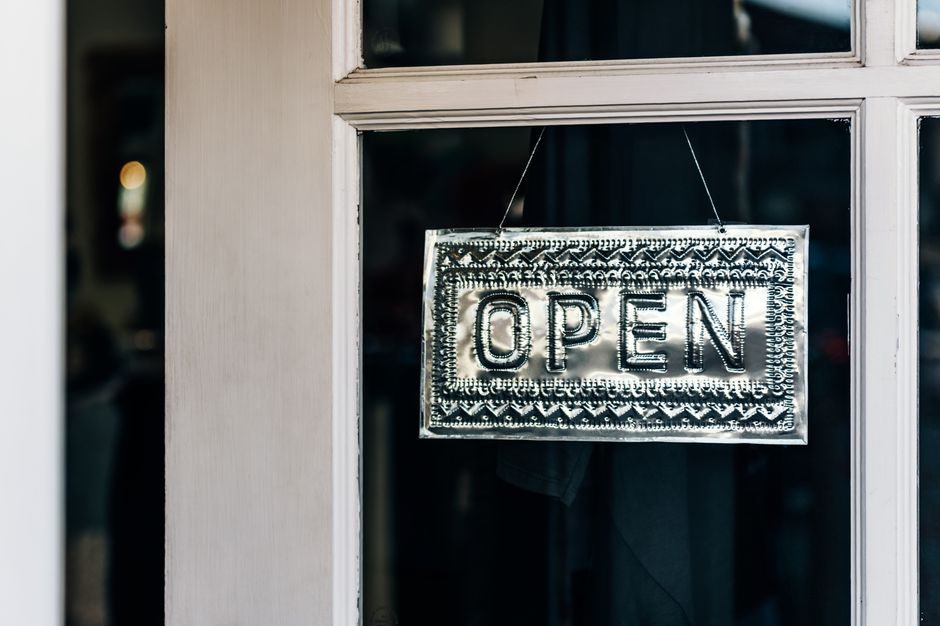
Make the offer clear
Describe what you sell or do in plain language, then say who it is for and where customers can access it. “Repairs to household boilers across Rochdale borough” tells a prospective customer more than a broad phrase such as “quality service”. A clear offer helps people judge quickly whether to call, visit or keep looking.
Put the most useful details where customers will see them first: on your shop window, social profile, website or printed leaflet. Include the business name, current opening hours, contact method and any practical access information. If customers need to book, state how; if walk-ins are welcome, say so plainly.
Use words customers might naturally search for, including the product or service and the place you cover. A Middleton hairdresser could name the service and Middleton in its description rather than relying on an unfamiliar slogan. Avoid listing places you do not serve, because that creates wasted enquiries and frustration.
Keep practical details current
Check opening hours, phone numbers, email addresses and booking instructions on every channel customers use. Seasonal changes, staff leave and public holidays can make a once-accurate listing misleading, so update it before the change takes effect. Where a platform allows temporary hours, use that feature rather than leaving customers to discover a closure in person.
Make visiting straightforward by explaining the entrance, payment options or access arrangements that matter to your customers. A short note about whether a shop is step-free, for example, can help someone plan before leaving home. For a service business, specify whether customers visit you or you travel to them.
Ask someone unfamiliar with the business to check its public information and try to follow the instructions. They may spot a confusing booking route, a missing location detail or a contact form that is difficult to use on a phone. Fixing those small obstacles can make existing promotion more effective without adding another channel.
- Confirm opening hours and holiday changes.
- Test phone, email and booking details.
- State service areas and visit arrangements.
- Check access information from a customer's perspective.
Make your business easier to find online
Strengthen local search details
Claim and complete the business profiles customers use to find nearby shops and services, then keep their names, categories, hours and contact details aligned. Add a precise location or service area and choose categories that describe the actual work. A marketing agency directory can help owners find specialist support when they need help improving how customers discover their business online.
- ☐ Claim the profiles customers already use.
- ☐ Match business details across listings.
- ☐ Test the website on a mobile phone.
- ☐ Use current, representative photos.
A basic website should make the offer, location and next step obvious on a phone as well as a computer. Put contact details where they are easy to spot, use page titles that describe the service and area, and remove outdated announcements. A visitor should not have to search through several pages to learn whether you serve their neighbourhood.
Photos can help people recognise a shopfront, understand a service or see the kind of work offered. Use recent, clear images that represent the business accurately, and add captions or descriptions where the platform allows. Do not use a picture of a different location or a finished result that customers should not expect.
| Option | Useful for | Keep in mind |
|---|---|---|
| Business profile | Local searches and map results | Keep hours and details current |
| Business website | Explaining services and contact steps | Make key details easy to find |
| Social channel | Updates and customer questions | Post consistently and accurately |
Use social channels purposefully
Choose social channels based on where your customers already spend time and what your business can post consistently. A café might share menu changes and service updates, while a builder could show completed work with permission. There is little benefit in opening several accounts if they will remain empty or carry outdated details.
Make each post useful by sharing a clear update, a product detail, an event appearance or a practical answer to a common question. Include a location when it helps local customers understand relevance, and make the next step explicit. A person interested in an item should know whether to visit, message or check availability first.
Set a manageable routine and review what prompts genuine enquiries rather than counting attention alone. Note whether customers mention a post, ask about a specific service or use a booking route you shared. If a format takes too long and produces little response, adjust it instead of treating constant posting as a requirement.
Partnerships can extend reach when two businesses serve similar customers without offering the same thing.
Choose ways to reach your local audience

Match channels to customers
Choose promotion according to where customers are and how they make decisions, not according to what another business happens to use. A notice in a community venue may suit a local class, while a market stall can help a maker demonstrate products face to face. A guest post marketplace is one option to explore when considering how to reach readers through relevant online publications.
- Choose channels your customers use.
- Give each promotion a clear next step.
- Ask new customers how they found you.
Partnerships can extend reach when two businesses serve similar customers without offering the same thing. A café and a nearby venue might share event information, for instance, provided each business agrees on the details and timing. Keep any offer simple, explain who it is for and make it easy to tell whether it brought enquiries.
Printed leaflets, local sponsorship and community events can all work, but each needs a clear purpose and a way to follow up. Use a distinct offer, mention the event or ask new customers how they heard about you. That helps separate useful activity from promotion that looks visible but produces no conversations.
Set a simple test plan
Test one promotion at a time so you can tell what is bringing people through the door or prompting calls. Set a modest trial period that fits the activity, then record enquiries, bookings or sales linked to it. Keep a note of the effort involved as well as the response, since a channel must be manageable.
Before spending money, check what the activity includes, who will see it and what action customers can take. Ask for a clear description of any placement, distribution or reporting, and compare that with your goal. Be cautious about promises of guaranteed customers or rapid results; no channel can make every audience respond.
Review the test and decide whether to continue, change the message or stop. A few relevant enquiries may be more valuable than broad attention if your service depends on local bookings. Keep the approach that produces worthwhile contact, and use what you learn to improve the next small test.
- Choose one channel and one clear goal.
- Record enquiries and the source customers name.
- Compare results with the time and effort involved.
- Keep, adjust or stop the activity.
Build a simple plan for local publicity
Set a clear campaign goal
Choose one practical goal before deciding where to promote your business: more weekday visits, bookings for a particular service, or enquiries about a new offer. A clear aim helps you choose a suitable message and notice whether your effort is working. For example, a café near Rochdale town centre might focus on attracting lunchtime customers rather than trying to appeal to everyone.
- Choose one customer group to reach.
- Set a specific goal, such as more enquiries.
- Pick a channel that audience already uses.
- Review the response before repeating the campaign.
Next, decide who you want to reach and where those customers are likely to look. A shop serving people around Heywood may prioritise community noticeboards and local social media groups, while a business near the Metrolink route could mention convenient access in its posts. Keep the audience specific enough that you can write a message that feels relevant.
Owners comparing publicity options may use resources that let them buy sponsored posts to introduce their business to a wider audience. Before spending, check who the publication reaches, what the placement includes, and whether the audience matches your goal. A paid mention should support useful local information, not replace clear service details or consistent contact information.
Match messages to local moments
Connect publicity to something customers can act on, such as a seasonal service, a new class, or extended opening hours. A business in Middleton could share practical details before a local event, while a tradesperson might explain which household jobs can be booked ahead. Keep the message factual and include the relevant dates or booking instructions.
Use the same core information across your website, social accounts, email and printed materials, then adjust the wording to suit each channel. A short social post can point readers to fuller details, while a shop window can feature the offer and how to ask about it. Consistency reduces confusion when people encounter your business in different places.
Plan a manageable rhythm rather than promising frequent updates you cannot sustain. One useful post or email tied to a real business update is better than repeated messages with no clear purpose. Note what you intend to publish and who will prepare it, so publicity does not become an afterthought during busy trading periods.
Avoid common promotion pitfalls

Check claims before publishing
Make every claim specific and supportable, especially when describing results, qualifications, availability or discounts. A vague promise can create distrust, while an offer without clear conditions may leave customers unsure what they can actually receive. Check the wording, dates and terms before sharing a promotion through a leaflet, website or local social media page.
Businesses weighing up announcement channels can review services offering cheap press release distribution before choosing an option. First consider whether the news is genuinely useful to local readers, such as a service change or community initiative, and whether the channel reaches the intended audience. A distribution option cannot make an unnewsworthy announcement relevant by itself.
Avoid using customer photographs, testimonials or personal details without permission. Ask clearly what may be shared and where, then keep a record of consent. If someone raises a concern about a post, respond calmly and correct an error promptly; leaving inaccurate information online can damage confidence more than acknowledging and fixing the mistake.
Spend carefully and consistently
Set a spending limit before paying for promotion, and decide what response would make the cost worthwhile. Compare the audience, format and reporting offered rather than choosing solely on a low headline price. If a provider cannot explain what you are buying or how the placement will appear, pause and ask for clarification before committing.
Do not spread a small budget across many channels simply to appear everywhere. Test one suitable option at a time, using a message that matches your goal, then review enquiries or visits before repeating it. This gives you a clearer sense of what worked and helps avoid paying for overlapping promotions that reach the same people.
Keep promotions honest about availability and service capacity. If an offer brings more enquiries than you can handle, customers may face delays or receive inconsistent answers. Set realistic booking expectations, tell staff what has been promoted, and update or remove the message when the offer ends so people are not left acting on outdated information.
- Set a limit before buying an advert.
- Ask what audience and reporting are included.
- Test one channel before adding another.
- Remove offers when they expire.
Track what brings customers through the door
Record simple customer signals
Ask new customers how they heard about your business, and record the answer in a simple tally or booking note. Keep the question neutral, since people may have seen a social post, passed the premises, or heard a recommendation. Over time, these answers can reveal which local routes are bringing attention without requiring complex tracking tools.
- Mistake: Relying on memory; better approach: record the source when customers respond.
- Mistake: Changing several channels at once; better approach: test one clear change.
- Mistake: Counting attention alone; better approach: compare enquiries and completed sales.
Agencies supporting local businesses may find white label press release distribution useful when managing publicity for clients under their own brand. For a business owner, the practical point is to agree in advance how enquiries and outcomes will be reported. Ask for understandable information that connects the activity to your own goals, rather than a list of unexplained figures.
Use distinct, easy-to-remember prompts when testing different promotions. For example, mention a particular leaflet when asking about an enquiry, or use a dedicated booking note for a campaign. Avoid collecting more personal information than you need; a count of responses or a broad source category is often enough to guide your next decision.
Judge results in context
Compare each promotion with the result you wanted, not just the number of views or likes it received. A post may attract attention without generating bookings, while a small notice may bring a handful of customers who return. Consider the value of the enquiries and whether they fit the services your business can provide.
Give a campaign enough time to produce a fair signal, but do not keep repeating one that clearly misses its audience. Local buying patterns can vary with weather, school holidays, events and trading hours, so note those circumstances alongside your records. This context helps you avoid blaming a channel for a quiet period caused by other factors.
Use what you learn to make one sensible adjustment: change the wording, timing, audience or channel, then check again. Keep a brief record of what changed and what followed. This habit turns promotion into a series of manageable decisions, rather than a collection of disconnected posts that are difficult to assess.
Keep your business information up to date

Review every customer touchpoint
Check your opening hours, address, service list and contact details wherever customers might find them, including search listings, your website and social profiles. A guest posting service may suit owners who want help arranging relevant articles as part of a broader online visibility plan. Whatever you use, make sure the business details readers encounter are accurate and consistent.
Give one person responsibility for updating public information when something changes. That might include holiday hours, a temporary closure, a revised booking method or a service you no longer offer. A prompt update can prevent wasted journeys and unanswered enquiries, particularly for customers travelling into Rochdale or visiting from another part of the borough.
Check that links work and that important pages display clearly on a mobile phone. Customers often look up a business while travelling or deciding where to go, so make essential details easy to find without searching through old posts. Remove duplicate or abandoned profiles where possible, or mark them clearly if they cannot be closed.
Make updates easy to trust
Use clear, direct wording when announcing a change, and state when it takes effect. If customers need to book differently or use another entrance, explain the practical steps rather than assuming they will understand. A concise notice on the channels you actively maintain is more useful than an announcement buried in an old social media thread.
Keep photos and descriptions current enough to reflect what customers will actually encounter. If a service has changed, revise the explanation instead of leaving an outdated claim to attract enquiries you cannot fulfil. Ask a colleague to check the update from a customer's perspective: can they tell what is available and what to do next?
Build a brief information check into your regular business routine, and revisit details after any major operational change. This need not involve a complicated schedule; a reminder alongside other administrative tasks can catch forgotten listings. Accurate information supports every promotion, because even a well-targeted message can lose its value if customers cannot confirm where or when to visit.
- Confirm hours and contact details.
- Test key links on a phone.
- Remove expired offers and outdated services.
- Check that every channel gives the same practical information.
Frequently asked questions
How can a new Rochdale business get its first local customers?Start by making the essentials easy to find: what you offer, where you serve customers, how to contact you and when you are open. Then introduce the business through a few channels that suit your likely audience, such as a local community group, a nearby noticeboard or relevant business networks. Ask early customers how they found you and use their answers to guide your next step.
Should I promote my business on every social media platform?No. Choose platforms that your intended customers use and that you can keep updated with useful information. A complete, active profile on one relevant channel is generally more practical than several neglected accounts. Consider whether the format suits your business: photographs may help show a product, while clear service explanations and contact details may matter more for a local trade.
What should a local business include in a promotion?State what is being offered, who it is for, where it is available and how customers can act. Include any important conditions, booking details or end date so people can judge whether it suits them. Keep the wording accurate and avoid claims you cannot support. A promotion should give someone enough practical information to take the next step without needing to guess.
How do I know whether a local promotion worked?Decide what outcome matters before you publish, such as enquiries, bookings, visits or sales, then record a simple signal connected to that goal. Ask customers how they heard about you, or use a campaign-specific booking note. Review the result alongside factors such as timing and local events. Compare like with like, and make one change at a time when testing again.
Make local promotion a steady habit
Rochdale businesses can reach more suitable customers by choosing a clear audience, sharing useful information and selecting publicity channels that fit the people they serve. Keep claims honest, spend within a limit and record how customers heard about you. Those simple habits make it easier to see which activity deserves more attention and which needs a different approach.
Choose one practical action to take next: update a public listing, ask new customers where they found you, or plan a focused promotion for a service you want to grow. Give that step a clear purpose and check the response before adding more work. Regular, accurate communication builds recognition locally and helps customers decide when and how to use your business.

Add Rochdale Now as a preferred source on Google


