
A clear guide to Hampshire Paper news for readers
A practical, reader-focused guide on Hampshire Paper news: what it is, how to use it, and what to watch for in Hampshire coverage.

Readers want reliable, straightforward information. This guide explains what Hampshire Paper news is, how it can help you stay informed, and how to assess its reporting. You’ll learn where to find trustworthy updates, what to expect from coverage, and how to verify facts quickly.
In plain terms, the resource offers ongoing news coverage with a focus on Hampshire communities. The piece shows how to use it for everyday decisions, from local events to public services, without hype or guesswork.
This is about building a habit of checking credible sources. It outlines practical steps to read, compare, and confirm stories so you can rely on what you read.
- Hampshire Paper news can be a reliable local resource when used critically. Look for clear sourcing, dates, and multiple perspectives.
- Always compare with official outlets or other trusted reporters to confirm details.
- Develop a quick habit: check dates, look for corrections, and note if the story leaves questions.
Basics of Hampshire Paper news
What it covers
Hampshire Paper news focuses on reporting that affects residents in the region. It covers local politics, traffic, weather, and community initiatives in clear, factual language.
The pieces aim to present events as they unfold, with context to help readers understand why a story matters.
Readers learn what constitutes a credible local report and how to spot basic signs of reliability.
- Check for author attribution
- Look for date stamps on stories
- Note whether multiple sources are cited
- Be wary of sensational headlines
- Compare with official or other local outlets
How to use the Hampshire events calendar
Finding trustworthy listings
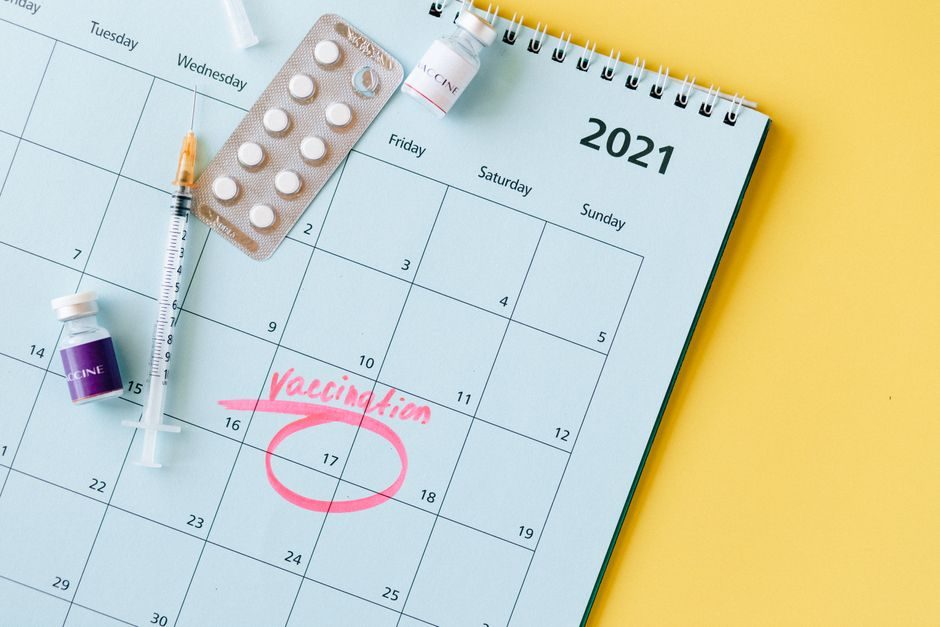
The events calendar helps you plan by listing local happenings with dates, venues, and organizers. It’s useful for selecting activities that match interests and schedules. Hampshire events calendar
The key is to verify event details with the organizer or venue before attending.
This section shows how to distinguish genuine listings from outdated or misdated entries.
Options for sourcing local updates
Comparing outlets
Different channels offer varying reliability. Cross-check Hampshire Paper news with official council pages and other established outlets for a fuller picture. register your company in Hampshire
- Verify with at least two sources
- Check for corrections
- Note the date and author
Trust grows when reports are supported by multiple, independent sources and public records.
Knowing the limits of a single source helps you weigh what you read.
- Cross-check dates and numbers
- Look for official corroboration
- Notice whether corrections are issued
- Watch for bias or framing
- Consider the scope of coverage
| Source quality | Depth of coverage | Reliability signals |
|---|---|---|
| Low | Shallow | Few sources mentioned |
| Moderate | Some context | Multiple sources cited |
| High | In-depth, documented | Corrections published, author names |
Be cautious of opinion presented as fact; look for quotes and data that can be independently checked.
Pitfalls to avoid in local news

Common traps
Local reporting can be incomplete, especially on complex issues. Recognize gaps and seek additional sources to fill them. used items for sale in Hampshire
Be cautious of opinion presented as fact; look for quotes and data that can be independently checked.
Avoid relying on a single timeline; build a broader view by comparing multiple reports.
- Seek primary sources
- Verify statistics
- Check for updates as stories evolve
- Beware over-generalizations
Tips for better local reading
Prioritize trustworthy outlets
Start with sources that show their work, then cross-check key facts with multiple outlets. Look for clear attribution and data when numbers are used. A good local source explains how they gathered information and what uncertainties remain. how to place an obituary in Hampshire
Be wary of sensational headlines that omit context or detail. Compare the tone across outlets to spot bias or gaps in coverage. Seek additional corroboration for unfamiliar names or events.
Ask yourself what matters to the community: who is affected, what changed, and what comes next? If an article answers these questions, it’s more useful to readers.
- Check author bylines and dates
- Note whether quotes are attributed
- Look for public records or official statements
- Watch for corrections and clarifications
- See if the piece links to supporting documents
What makes a good local source

Transparent sourcing standards
Good local reporting spells out where information comes from, whether from public records, officials, or on-the-ground reporting. It should name documents or sources when possible. This helps readers assess reliability and follow up if needed.
Editors should publish corrections when errors occur, and explain how they were identified. This transparency builds trust and preserves accountability in community reporting.
The strongest articles set expectations about what is unknown, what is confirmed, and what will be investigated next. Readers get a clear sense of progress and limits.
- Openly list primary sources
- Show timelines and updates
- Provide contact points for follow-up
- Publish corrections promptly
- Acknowledge limits of the information
How to verify information quickly
Cross-check against records
When possible, compare reported facts with public records, such as council minutes, planning notices, or official statements. Public documents often corroborate the narrative and pinpoint discrepancies.
Use multiple independent sources to confirm key points. If two outlets rely on the same single source, treat the claim with caution and seek additional verification.
Document any differences you find and explain why a conclusion is tentative if evidence is incomplete.
- Seek official records
- Look for direct quotes with attribution
- Identify potential conflicts of interest
- Note time stamps and versions of documents
- Avoid relying on social media alone
A simple reading routine for Hampshire readers

A steady daily habit
Set aside a short window each day to read local updates with a critical eye. Start with the most recent briefs to understand the current context, then move to deeper features if time allows.
Skim headlines for topics of immediate relevance, then open the full articles to assess sources and clarity. This approach keeps you informed without overloading your day.
End with a quick recap: what changed, what to watch for, and what information is still missing.
- Daily quick skim
- Open key articles for detail
- Note missing information
- Record one takeaway for the day
Frequently asked questions
How can I verify if a local update is current?Check the publication date, review any corrections, and compare the report against official records or statements. If a discrepancy exists, look for a follow-up or updated article that clarifies the situation. Cross-check with at least one other reputable source to build confidence.
What should I do if I disagree with a report?Note the specific points of disagreement, then seek the primary source or official statements. Contact the newsroom with a concise question and request for clarification. Readers should rely on transparent sourcing and be prepared to adjust their understanding as new information emerges.
How often do local outlets update breaking news?Updates vary by event, but readers benefit from checking for fresh reports when public meetings, weather alerts, or emergencies are announced. Look for ongoing coverage that adds details, not just repeated headlines.
Is it useful to follow multiple outlets for the same story?Yes. Different outlets may highlight different aspects or sources. Comparing coverage helps readers form a fuller picture and spot gaps that a single outlet might miss.
Conclusion
Local readers gain clarity by using a simple, repeatable routine that centers on current, well-sourced information. Prioritize transparency and cross-checking as you review updates, notices, and public records. The next step is to adopt a short daily rule set for checking Hampshire news and notices.
A practical path forward is to keep a running list of questions you want answered about ongoing stories, then seek official records or direct sources to fill those gaps. This habit strengthens your understanding of the local landscape and reduces confusion during fast-moving events.
Add Rochdale Now as a preferred source on Google


